Our rooms

A room for every little leap.

Each space is planned around the movement, rest, language and independence children need at that stage.

Different stages need different kinds of support.

Room routines change as children become more mobile, expressive and independent. The feeling of being known and supported stays consistent.

Age ranges are a helpful guide rather than the whole story. Visits and admissions conversations give families time to discuss the room and routine that best fit their child.

Babies learning environment

Approx. 6 months to 1 year

Babies

The baby room follows each child's familiar rhythm as closely as possible. Feeding, sleep, floor play and one-to-one interaction are handled calmly, with a consistent person nearby as children become comfortable in their new surroundings.

  • Individual feeding and sleep rhythms
  • Floor play, sensory discovery and early movement
  • A calm handover between family and educator

Ask about this room
Wobblers learning environment

Approx. 1 to 2 years

Wobblers

As children become more mobile, the room gives them safe opportunities to pull up, move, investigate and try things for themselves. Familiar routines and simple choices help growing independence feel manageable.

  • Space for safe movement and coordination
  • Songs, stories and everyday language
  • Supported mealtimes, rest and transitions
Ask about this room
Toddlers learning environment

Approx. 2 to 3 years

Toddlers

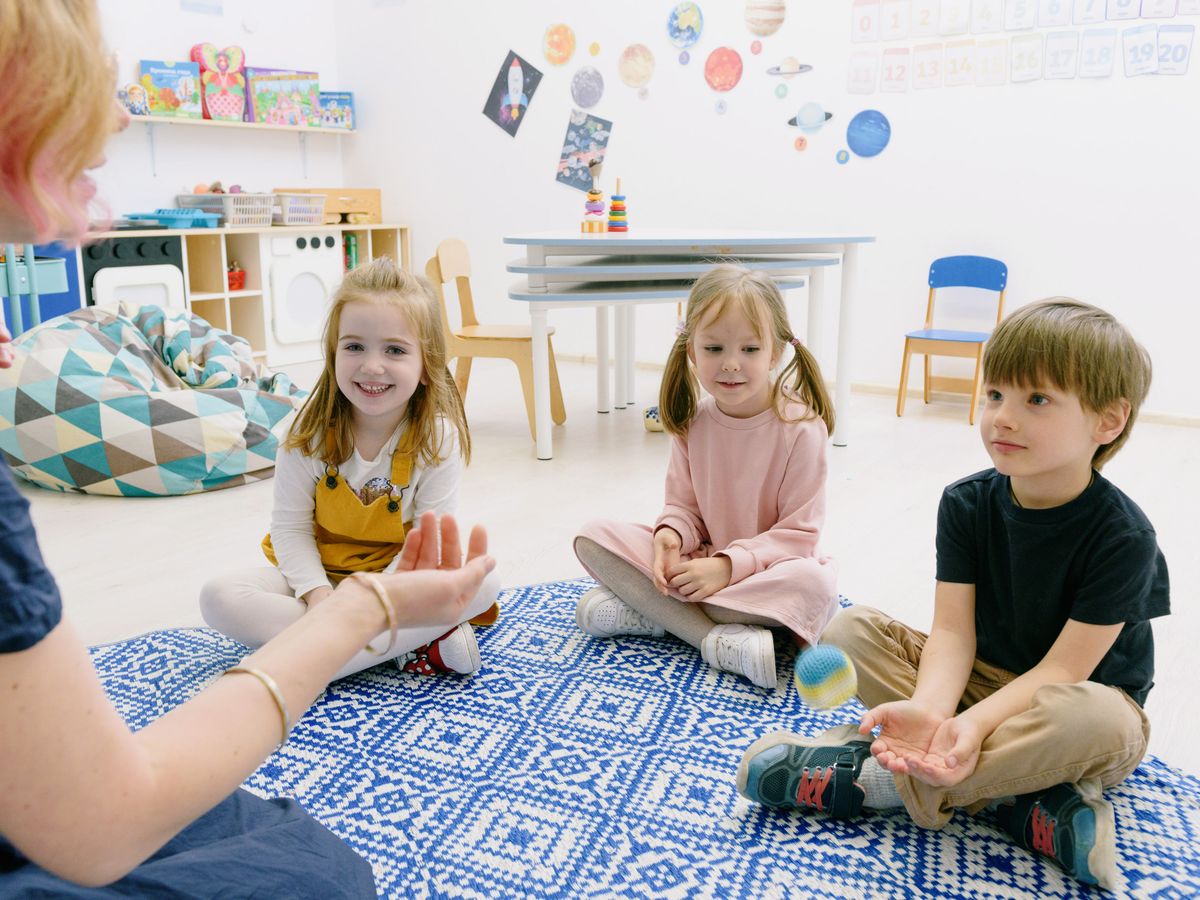
Toddler days balance energetic play with quieter moments. Children begin to manage more of their own routine, build friendships and communicate what they need, with patient support when feelings or transitions are difficult.

  • Imaginative, creative and sensory play
  • Early friendships and supported communication
  • Growing confidence in everyday routines
Ask about this room
Preschool / ECCE learning environment

Approx. 3 years to school age

Preschool / ECCE

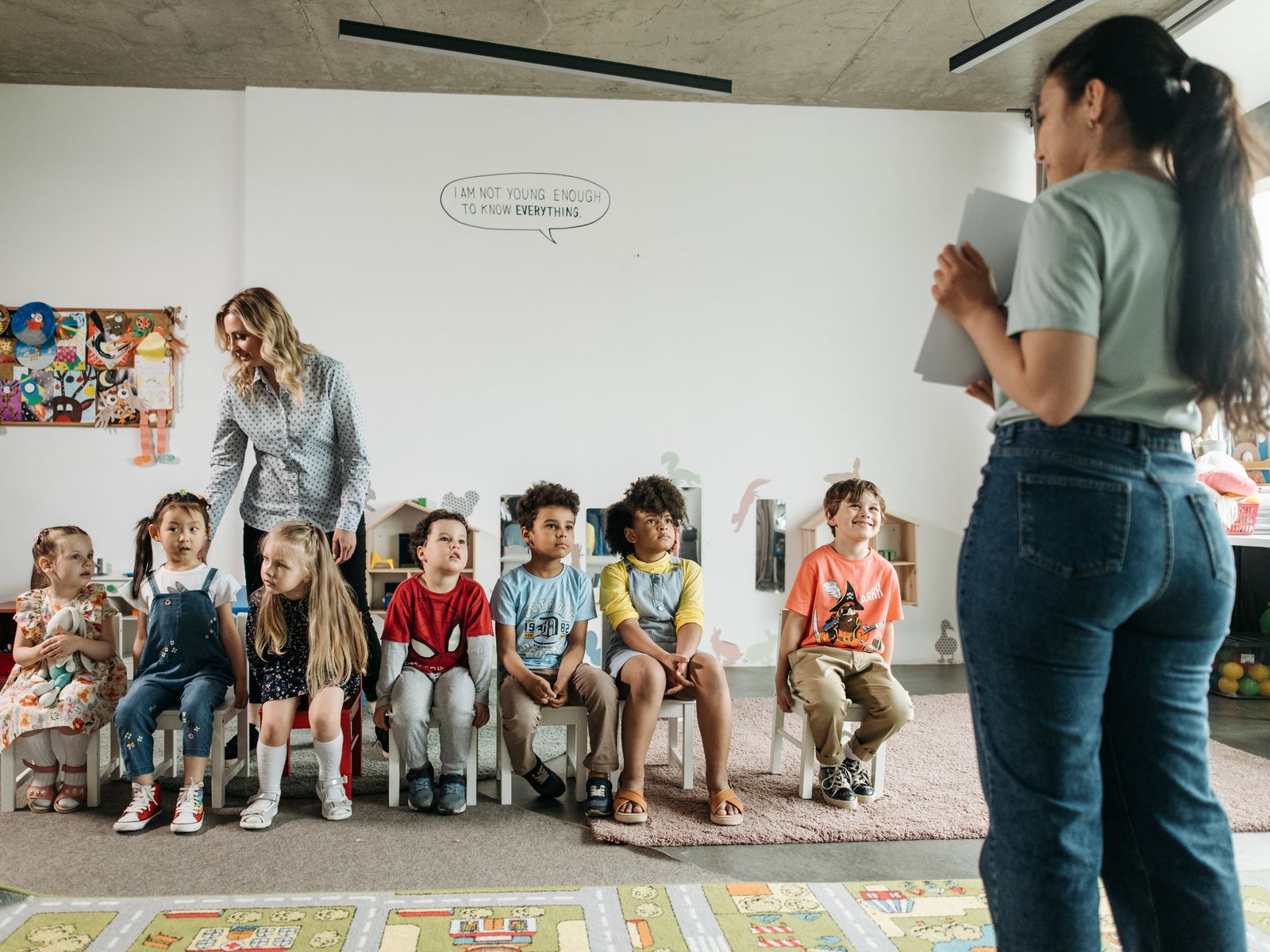
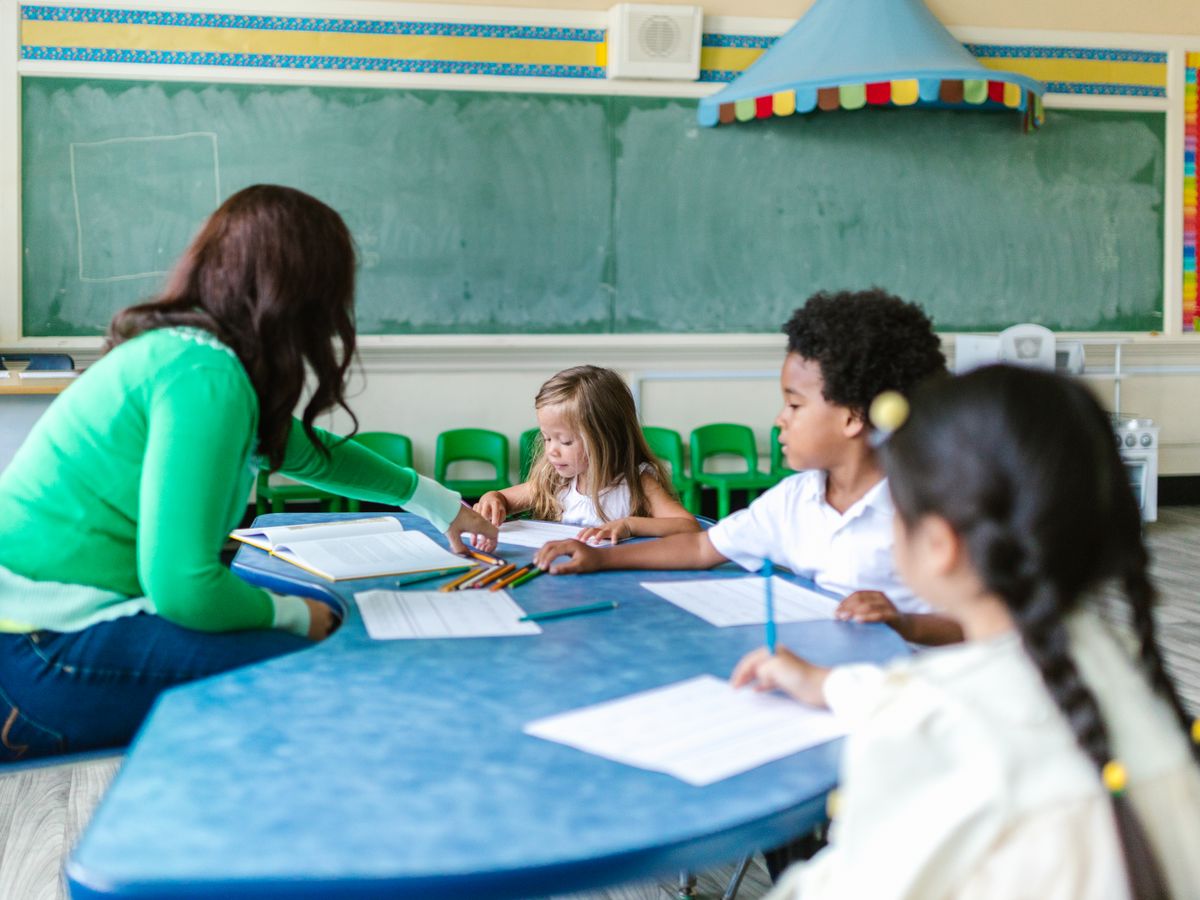
The preschool room gives children time to investigate ideas, work with others and become confident communicators. Early literacy and numeracy grow naturally through stories, conversation, construction, creative work and purposeful play.

  • Project work shaped by children's interests
  • Early literacy, numeracy and problem-solving
  • Independence and confidence for the next stage
Ask about this room

Find the setting that feels right.